The landscape design scene in Riverdale, Georgia, is undergoing a notable transformation. As homeowners and businesses seek to create functional, aesthetic spaces that reflect their identities while embracing sustainability, several key trends are emerging. From the integration of native plants to the rise of outdoor living spaces, these developments not only enhance the visual appeal of properties but also contribute to environmental health and community well-being.
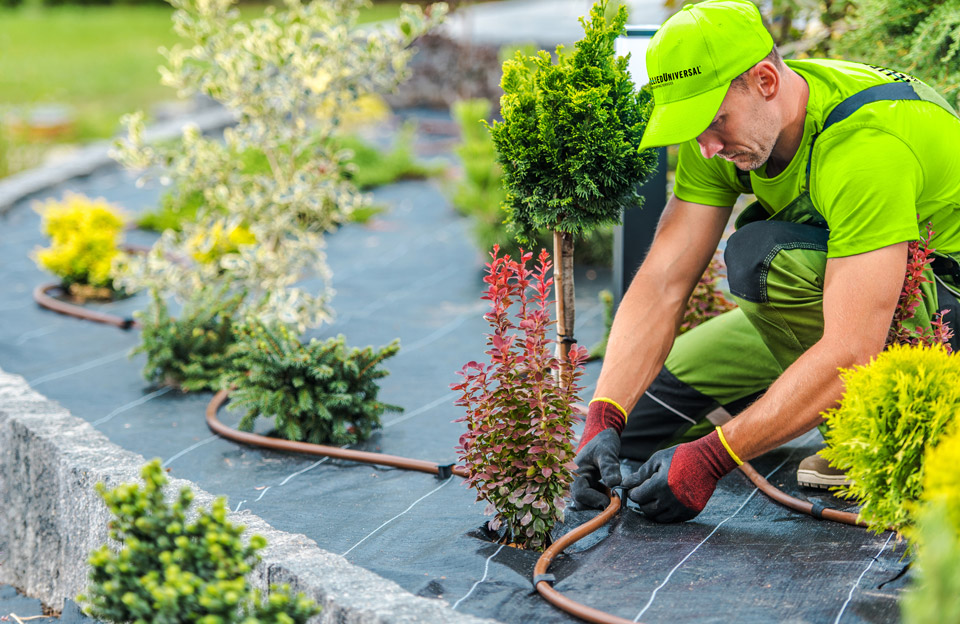
Embracing Native Flora
One of the most impactful trends in landscape design is the increased focus on using native plants. This approach capitalizes on the natural resilience and adaptability of indigenous species, which are better suited for local climates and soil conditions. For residents in Riverdale, this means selecting plants that thrive without excessive irrigation or chemical fertilizers.
Native plants support local wildlife, providing crucial habitats for birds, butterflies, and beneficial insects. For instance, planting azaleas or dogwoods can attract pollinators while adding vibrant colors to gardens. Moreover, these plants often require less maintenance than non-native varieties, allowing homeowners more leisure time to enjoy their outdoor spaces.
As awareness grows about the environmental benefits of using native flora, many landscape designers are incorporating them into both residential and commercial projects. This trend aligns with sustainable landscape design principles that prioritize ecological balance.
Outdoor Living Spaces Take Center Stage
The concept of outdoor living spaces has gained immense popularity among homeowners looking to extend their indoor comforts into nature. In Riverdale’s climate, where warm weather prevails for much of the year, creating an inviting outdoor area can significantly enhance lifestyle quality.
Designers are increasingly crafting multifunctional patios that serve as extensions of the home. These areas often feature comfortable seating arrangements alongside outdoor kitchens or fire pits. Such designs encourage family gatherings and social events while providing a seamless transition from indoor to outdoor living.
Incorporating features like pergolas or shade sails not only adds visual interest but also provides necessary sun protection during peak summer months. By creating defined zones within these spaces—such as dining areas separate from lounging spots—homeowners can enjoy tailored experiences landscape design ideas that cater to various activities.
Sustainable Practices for a Greener Future
Sustainability is no longer just a buzzword; it has become a foundational principle guiding modern landscape design practices. Homeowners and professional landscapers alike are prioritizing eco-friendly solutions that minimize environmental impact.
Rain gardens represent one innovative approach gaining traction in Riverdale. These landscaped depressions capture rainwater runoff from roofs or driveways and allow it to percolate into the ground rather than flooding streets or entering storm drains. This method improves water quality by filtering pollutants before they reach local waterways.
Additionally, xeriscaping is becoming popular as water conservation efforts intensify. By designing landscapes that require minimal irrigation through careful selection of drought-resistant plants and strategic placement of hardscapes (like gravel paths), homeowners can maintain beautiful yards while conserving precious resources.
Moreover, organic gardening methods are being embraced more widely as people become aware of the negative effects of chemical pesticides and fertilizers on both health and biodiversity. This shift has led to an increase in community gardens throughout Riverdale, fostering connections among neighbors while promoting sustainable practices.
Modern Aesthetic Meets Functional Design
Today's landscape design is characterized by its ability to marry aesthetics with functionality effectively. Homeowners want beautiful spaces that serve practical purposes—whether it's growing vegetables or providing relaxation spots after a long day.
This dual focus is evident in contemporary garden designs featuring clean lines and geometric shapes combined with organic elements like curved pathways lined with flowering shrubs. Water features such as ponds or fountains have also made a comeback; they add tranquility while attracting wildlife, enhancing both beauty and ecological value.
In commercial settings around Riverdale, businesses recognize the importance of creating attractive landscapes that draw customers in while reflecting their brand identity. Thoughtful landscaping can differentiate a business from competitors by enhancing curb appeal through unique elements like sculptural trees or artistic hardscape installations.
Technology Integration in Landscape Design
The intersection between technology and landscaping has opened new avenues for creativity and efficiency in design execution. Smart irrigation systems equipped with weather sensors allow for precise watering schedules based on real-time climatic conditions—reducing water waste while maintaining lush greenery.
Furthermore, drone technology has revolutionized how designers plan layouts by providing aerial views that reveal property contours otherwise overlooked from ground level. This capability enables landscapers to visualize designs accurately before implementation begins—a significant advantage when working with challenging terrains common in certain parts of Riverdale.
As smart home devices gain traction within residences across Georgia's neighborhoods, innovative landscape design solutions integrating outdoor lighting systems controlled via smartphone apps enhances safety while contributing ambiance during evening hours spent outdoors.
Community Engagement through Landscaping
Lastly but importantly—the role of landscaping in community engagement cannot be overstated. Well-designed public parks foster social interactions among residents by offering gathering spots for events like farmers' markets or music festivals held throughout the year.
Increasingly cities are encouraging community involvement by allowing residents input on local park renovations—this participatory approach ensures new designs resonate with those who utilize them daily rather than solely top-down decisions made by officials lacking firsthand experience within those communities themselves.
For example: Riverdale recently hosted workshops aimed at gathering feedback regarding proposed enhancements within existing green spaces—a proactive initiative demonstrating commitment towards cultivating vibrant communal environments where people come together seamlessly amidst nature’s beauty!
By investing time into understanding what works best geographically alongside respecting historical significance related nearby landmarks—landscape architects cultivate connections beyond mere aesthetics—they weave threads binding neighborhoods closer together through shared appreciation nature affords every individual residing nearby!
Conclusion: The Future Looks Green
Riverdale stands at an exciting crossroads where innovative ideas intersect with deep-rooted traditions shaped by generations past—all set against stunning backdrops characteristic Southern charm! The future holds immense potential for transforming urban landscapes into flourishing ecosystems capable supporting diverse forms life whilst encouraging personal connections forged amongst neighbors sharing similar aspirations improve surroundings collectively!
As trends evolve influenced societal shifts toward sustainability balanced aesthetics—both residential commercial landscapes will undoubtedly emerge richer multifaceted environments enhancing lives enriching community fabric far beyond physical boundaries!